
One building, several roofs, one warranty conversation
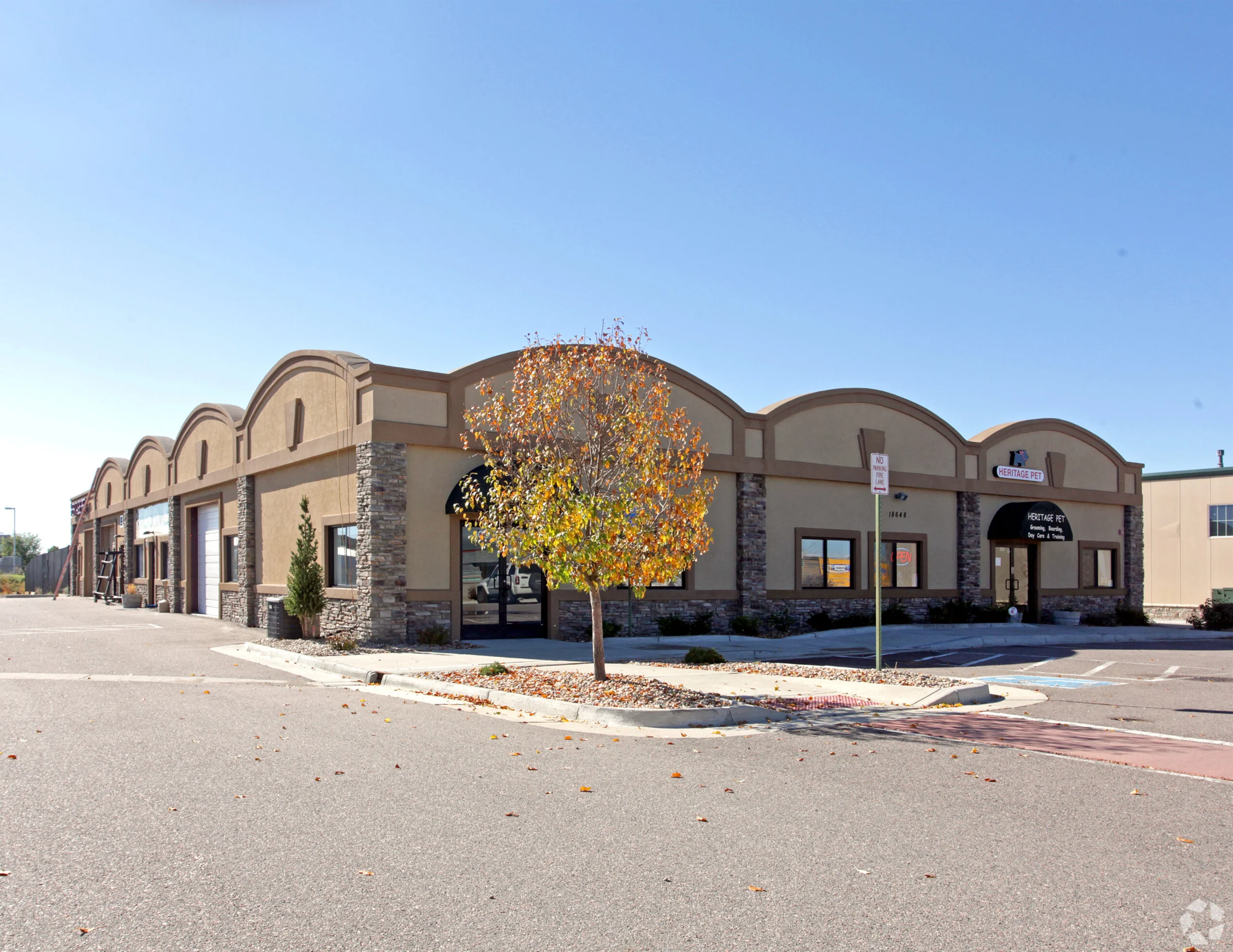
Mixed-use is what downtown Fargo has been building for a decade. Ground-floor retail and restaurants along Broadway and Roberts Street, offices and apartments stacked above, a parking deck tucked into the base, and the steady redevelopment running out toward NDSU and the Renaissance Zone blocks. From the street it reads as a single building. On the roofs, it is several very different systems sharing one address — a low-slope membrane field up top, parapet and amenity areas, sometimes a podium deck between the parking and the residential floors above it. Roofing one of these well is mostly about understanding how those pieces stack and where one system's responsibility hands off to the next.
Retail, residential, and office don't keep the same hours
The reason mixed-use roofing is its own discipline is that the uses underneath the roof are in conflict. A restaurant tenant cares about its lunch rush and its kitchen exhaust on the roof. The apartments above care about noise at 7 a.m. and water over their unit. The office floors care about a leak landing on a server closet. A single roofing decision touches all of them, and the combined retail and residential roof areas can carry different membrane ages, different warranties, and different tenant exposure on the same structure. We map that out before we scope anything, so the work plan respects every use rather than treating the roof as one flat plane with one schedule.
A podium deck is waterproofing, not roofing
The detail that gets the most mixed-use projects in trouble is the podium — the deck that sits between parking or retail at grade and the occupied floors above. People assume it is a roof and spec it like one. It is not. A podium or plaza deck has to handle structural deflection, constant water sitting in planters, root intrusion from any landscaping, and foot or even vehicle traffic on top, all over occupied space. That calls for a traffic-bearing waterproofing assembly with drainage composite and a root barrier — not a standard single-ply membrane. Put a roofing membrane where a waterproofing system belongs and it tends to fail within a few years, with the failure landing directly over finished interior space. We specify and install the right assembly and coordinate it with the deck-finish contractor and the structural engineer so the load path actually works.
Upper-floor roofs and rooftop amenities
Above the residential or office floors, the work shifts again. Now we are dealing with parapet drainage, mechanical penthouse flash-throughs, elevator overruns, and increasingly the rooftop amenity decks that have become a selling point on Fargo's newer residential buildings. An amenity deck where residents gather needs a traffic-bearing waterproofing layer under the finished surface, the same discipline as a podium, just higher up and with people standing on it. We build and warranty those assemblies in coordination with the finish and railing contractors so the membrane is protected and the detail at every transition holds.
Drainage and snow across stacked roof areas
A mixed-use building does not drain like a single roof, and in Fargo that matters every winter. The stepped massing of these buildings — a low retail roof, a higher residential roof, a set-back amenity deck — means snow drifts and slides from the tall sections onto the lower ones, dumping concentrated loads exactly where two systems meet at a wall. Those step-downs and the parapet bases are where we focus drainage and overflow capacity, because a buried drain at a roof-to-wall transition backs water up against a vertical detail with occupied space directly behind it. We also watch the interior drains and downspouts that run through heated space inside the building; on a multi-story stack those lines have to keep moving meltwater through a January thaw, not freeze and force water sideways into the assembly. Getting the drainage right across all of those levels is what keeps a leak in one tenant's space from becoming everyone's problem.
Warranties have to be coordinated, not assumed
Because a mixed-use building can carry several membrane and waterproofing systems, the warranties have to be coordinated deliberately. A patchwork where the field roof, the podium, and the amenity deck each came from a different manufacturer with different terms and overlapping responsibility at the transitions is how owners end up with a leak that everyone disclaims. We think about warranty coverage and the responsibility lines at every system boundary up front — which manufacturer covers which area, who owns the tie-in detail, and what inspection schedule keeps each warranty valid. That coordination is the quiet part of mixed-use roofing that protects the owner years down the line.
People live and work here while we work
Almost every mixed-use reroof we do in Fargo's core happens on an occupied building. Residents are home, retail is open, offices are staffed. That demands a real phasing plan: noise, vibration, and dust controls set before mobilization, daily watertightness confirmed in writing before crews leave, and elevator and common-area access coordinated with building management so residents and customers are not blocked. Downtown work also runs up against noise-ordinance hours and tight site access between ground-floor storefronts, which we plan around rather than discover mid-project. We do not leave a section open overnight on a building with people sleeping under it.
Built for the people financing and managing the project
Mixed-use developments come with developers, general contractors, MEP subs, structural engineers, and envelope consultants all in the same room, plus a construction lender who wants documentation. We work inside that framework — architect-reviewed submittals, manufacturer technical approval of the specified systems, mock-ups and testing where the spec calls for them, inspection reports through the critical phases, and warranty registration at closeout. For an owner or property manager taking the building over afterward, that paper trail is what makes the roof a managed asset instead of a future mystery.
Bring us in on your mixed-use roof
Whether it is a new development going up downtown or an existing mixed-use building in Fargo that needs its podium or upper roofs addressed, the first step is a walk of every roof area and a clear map of the systems involved. Request a roof review or call 701-987-7206.