
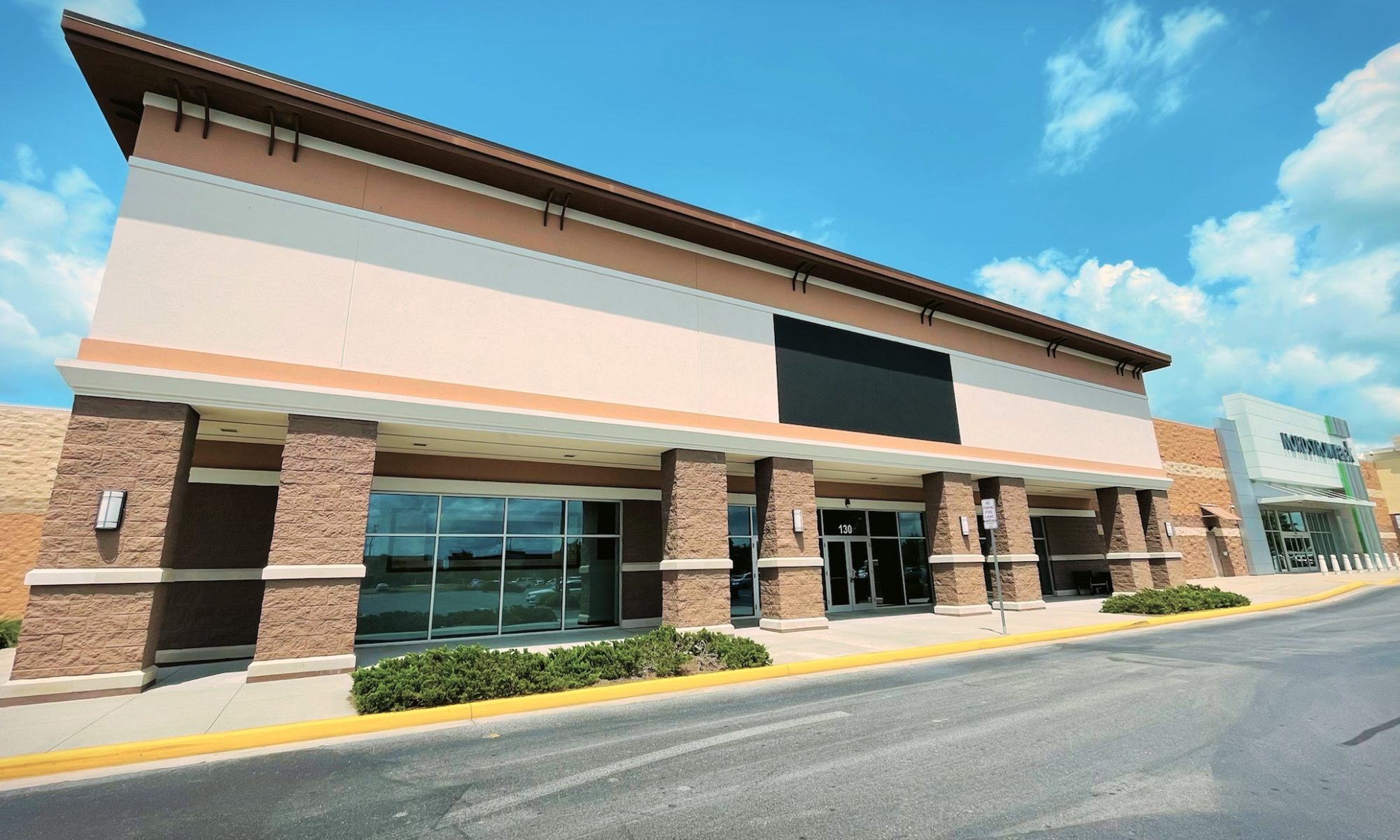
Fargo serves as the commercial hub for the entire eastern North Dakota and northwestern Minnesota region, and its retail landscape reflects that outsized trade area role. West Acres Mall, the 13th Avenue South retail corridor, the 45th Street big-box power center, and the strip centers stretching along 32nd Avenue South draw shoppers from a catchment area that extends 200 miles in every direction. The roofing systems on these properties operate in one of the most extreme climates in the continental United States, ground snow loads that reach 50 psf, winter temperatures that regularly drop to minus 30 degrees Fahrenheit, high plains winds that sustain 40 mph for days at a time, and temperature swings of 100 degrees or more between the depths of winter and peak summer. A commercial roof in Fargo is an engineering challenge that few other markets can match.
Fargo's extreme cold creates roofing failure modes that don't exist in warmer climates. At minus 20 degrees, thermoplastic membranes become rigid and lose the flexibility that allows them to accommodate building movement without cracking. Improperly installed membranes with insufficient reinforcement or with adhesive-bonded perimeter details experience cold-temperature cracking at corners, edges, and around penetrations where movement concentrates. We specify cold-weather-formulated TPO membranes with enhanced low-temperature flexibility ratings on all Fargo retail projects, and we confirm installation temperature protocols with our field supervisors before any membrane work proceeds, a single day of work at temperatures below the membrane manufacturer's minimum installation temperature can compromise the entire assembly.
Snow load management on Fargo retail roofs is a life-safety issue, not just a building performance concern. The combination of North Dakota's high ground snow load, drift accumulation at parapet walls and equipment screens, and the possibility of rapid snowfall events that deposit 12 to 18 inches in 24 hours creates load scenarios that can approach or exceed structural design capacity on older buildings. We conduct snow load monitoring for commercial property managers in Fargo during heavy accumulation events, providing roof access inspections after major storms to assess load distribution and advise on snow removal needs. The West Acres and 13th Avenue corridor shopping center managers have standing relationships with our team for this seasonal service.
The Fargo retail construction season is brutally short, reliable working conditions for membrane roofing are generally available from mid-May through early October, roughly five months out of twelve. This compression creates intense scheduling pressure and premium pricing during the summer peak, when every commercial roofing contractor in the region is operating at full capacity simultaneously. Landlords who commit to reroofing projects in January or February for a May start secure priority scheduling and often better material pricing than those who enter the market in April when contractors are already fully booked. We begin accepting spring commitments in January and recommend that Fargo retail landlords complete their planning cycle during the winter months when the project timeline can be fully considered without time pressure.
HVAC systems on Fargo retail buildings face a challenge unlike anything in warmer markets: the equipment must be capable of both extreme heating in winter and cooling in summer, and it operates near continuously during both seasons. HVAC curb details on Fargo retail roofs are subject to exceptional thermal stress, the curb and surrounding membrane are exposed to temperature cycling of 130 degrees or more between the coldest winter nights and the hottest summer roof surface temperatures. We fabricate custom pre-insulated metal curbs for all Fargo retail reroofing projects, specifying 3-inch wall insulation to prevent ice buildup at the curb base and stainless fasteners throughout to resist the corrosion that de-icing operations and road salt application near building entries accelerate.
West Acres Mall and the major power center retailers along 45th Street operate under national corporate facilities standards that specify roofing system types, warranty requirements, and contractor qualifications. These specifications typically include additional requirements for cold-climate markets, such as enhanced insulation R-values, specific membrane flexibility ratings, and snow guard design requirements for areas above pedestrian entries. Our estimating team maintains current versions of the cold-climate specifications published by the national retailers with significant Fargo presence, and we include compliance documentation in our project submittals to avoid the delay and rework that specification non-compliance triggers in corporate facilities management workflows.
TPO single-ply roofing, mechanically fastened over polyisocyanurate insulation, is the dominant system for Fargo retail properties, but insulation thickness is a more significant specification decision here than in any other market we serve. North Dakota's energy code requirements mandate high R-values for commercial roofing in the extreme cold climate zone, and reaching those values with polyiso requires thicker assemblies than warmer markets use. The tapered insulation systems we design for Fargo retail roofs must achieve both the required positive drainage slope and the minimum continuous R-value mandate, which sometimes requires stacking multiple insulation layers with offset joints to eliminate thermal bridging at the fastener pattern.
Fargo's strip retail along 13th Avenue South and the neighborhood commercial corridors in north Fargo and Moorhead serves a demographically diverse customer base that includes large immigrant and refugee communities whose retail preferences have reshaped the tenant mix in older strip centers. These tenants, food markets, specialty grocers, halal butchers, and restaurants, have high HVAC and ventilation loads that often exceed what the original strip mall was designed to support. New penetrations, supplemental exhaust systems, and upgraded rooftop equipment are common in these buildings, and the incremental damage to existing aging membranes from uncoordinated penetration work accumulates into significant leak problems. Our tenant improvement roofing packages for these buildings include a full membrane patching and resealing scope around any new penetrations, maintaining the integrity of the assembly regardless of what the mechanical contractor's work involves.
The Red River Valley's hail exposure is a meaningful consideration for Fargo retail property owners. Summer convective storms tracking across the North Dakota plains regularly produce large hail that damages roofing membranes, HVAC equipment, and metal edge components. Following a hail event, we conduct impact resistance assessments using ASTM D3746 protocols to document membrane damage and support insurance claims. Fargo retail property managers who maintain annual inspection records and have their roofs documented before a hail event are in a much stronger position to recover full replacement costs from insurers than those who cannot demonstrate the pre-storm condition of the assembly.
- What minimum insulation R-value is required for retail reroofing projects in Fargo?
- North Dakota falls in IECC Climate Zone 7, which has among the highest minimum continuous insulation requirements in the commercial building energy code. Current requirements for commercial low-slope roofs in Zone 7 specify a minimum continuous R-value of R-30 above the deck, and some Fargo retail buildings qualify for even higher values under the North Dakota building code amendments. Achieving R-30 typically requires 6 to 8 inches of polyisocyanurate insulation, and the weight of this assembly must be reviewed against the structural deck capacity before the insulation specification is finalized.
- How should Fargo retail landlords plan for emergency snow removal from rooftops?
- Commercial retail buildings in Fargo should have pre-established relationships with contractors who can perform safe, membrane-friendly snow removal on occupied rooftops, because the need often arises on short notice during or immediately after heavy storm events. Safe snow removal requires plastic shovels or pneumatic blowers, metal tools damage membranes, and the work must leave a protective two-inch layer of snow over the membrane surface to prevent direct contact damage. We include emergency snow removal contact information in our project closeout packages and offer priority response agreements for commercial clients who want guaranteed rapid response during heavy accumulation events.
- Can Fargo retail buildings use rooftop solar panels given the cold climate and snow loads?
- Rooftop solar is increasingly viable on Fargo retail buildings, with North Dakota's high solar irradiance during long summer days partially offsetting the reduced production during snow-covered winter months. Solar installations on Fargo retail roofs require ballasted or penetrating mount systems designed for the elevated snow and wind loads, and the additional dead load of ballasted systems must be reviewed against the structural deck capacity. We install solar-ready roofing assemblies with reinforced membrane zones at planned mount locations and coordinate with solar integrators on the attachment details required to maintain membrane warranty coverage.
- What is the typical lifespan of a TPO roof on a Fargo retail building?
- TPO roofs on Fargo retail properties typically deliver 15 to 20 years of service life when installed correctly and maintained with annual inspections, somewhat shorter than the 20 to 25 years achievable in milder climates because of the severe thermal cycling and UV exposure that Fargo's climate produces. Systems that receive regular maintenance, including seam probe testing and timely repair of any discovered defects, reliably achieve the upper end of that range. Properties that defer maintenance typically experience accelerated degradation after year 12, with the repair-versus-replace crossover point often arriving well before the theoretical end of the membrane's design life.
- How does Fargo's freeze-thaw cycling affect roof drains and drainage components?
- Roof drain bodies and the upper portions of drain leader pipes that run through unheated plenum spaces are vulnerable to freezing during extreme cold events in Fargo, which can cause drain bowl cracking and leader pipe failure that results in water backing up on the roof surface when the next melt event occurs. Heated drain assemblies, electrically traced drain bowls with self-regulating heat cable extending into the leader pipe, are the standard approach for preventing freeze-up on Fargo retail roofs with interior drain configurations. We include heated drain specifications as a standard element of all Fargo retail reroofing projects and confirm that the electrical infrastructure to support the heating elements exists or is added as part of the project scope.
Questions Building Owners Ask
What usually changes the price for acrylic and silicone roof coatings?
For acrylic and silicone roof coatings, access, wet insulation, deck repair, edge metal, drains, temporary protection, after-hours work, and occupied-building staging change the number faster than the roof label. We verify those acrylic and silicone roof coatings conditions around Casselton before treating a square-foot price as reliable.
Can acrylic and silicone roof coatings be handled while the building is occupied?
Often, but the acrylic and silicone roof coatings sequence has to be planned. We review entrances, loading docks, patient or tenant areas, roof access, odor sensitivity, and weather windows near Veterans Boulevard Corridor before recommending daytime, phased, or after-hours work.
How do we know if acrylic and silicone roof coatings should be repair, coating, recover, or replacement?
We look at acrylic and silicone roof coatings through wet insulation, deck condition, attachment, slope, seam condition, drain performance, and edge-metal risk. If the roof around June normal precipitation of 4.29 inches is dry and stable for acrylic and silicone roof coatings, preservation options stay on the table. If moisture or deck damage is spreading through acrylic and silicone roof coatings, replacement planning becomes more defensible.
What documentation do we get after a acrylic and silicone roof coatings inspection?
Typical acrylic and silicone roof coatings documentation includes roof-area notes, photo locations, leak or damage observations, priority levels, repair limits, access constraints, and budget categories. On storm work tied to acrylic and silicone roof coatings, we provide contractor-side roof evidence without promising insurance outcomes.
How quickly can you look at acrylic and silicone roof coatings after a leak or storm?
Timing for acrylic and silicone roof coatings depends on weather, crew load, access, and whether interior water is active. We triage emergency conditions first, especially when water is entering occupied space near healthcare campus roofs, and then separate temporary dry-in from permanent scope.